


Last Updated: October 26, 2026
Quick Summary
To clean vintage leather, start by gently removing surface dust and dirt, then test any cleaner on a hidden area before applying it with a soft cloth using gentle wiping motions. Follow up with conditioning to restore moisture and protect the aged leather.
- Identify the leather type and finish before choosing a cleaning method
- Begin with dry dusting to reveal the piece's true condition without liquid cleaners
- Always test cleaner on a hidden area first to prevent damage
- Condition vintage leather after cleaning to restore moisture and extend its life
- Seek professional care for valuable pieces or severe damage
Table of Contents
- Assess Your Vintage Leather Before You Start
- Remove Surface Dust and Dirt
- How to Clean Leather with Soap and Water
- How to Remove Stains from Leather
- How to Condition Vintage Leather After Cleaning
- When to Stop and Seek Professional Care
- Frequently Asked Questions
Assess Your Vintage Leather Before You Start
Before you touch your clean vintage leather piece with any cleaner, understand what you're working with. The leather type, finish, and condition are important to consider before cleaning.
Identify the leather type and finish
Check for prior treatments and damage
You can understand Gilded Carry's condition guide to see how we describe wear and quality on pre-owned items.
Remove Surface Dust and Dirt
Start with a gentle approach.
This dry-cleaning phase often reveals the true condition of your piece, gentle dusting alone may restore much of the original appearance without any liquid cleaners.
How to Clean Leather with Soap and Water
Test your cleaner on a hidden area first
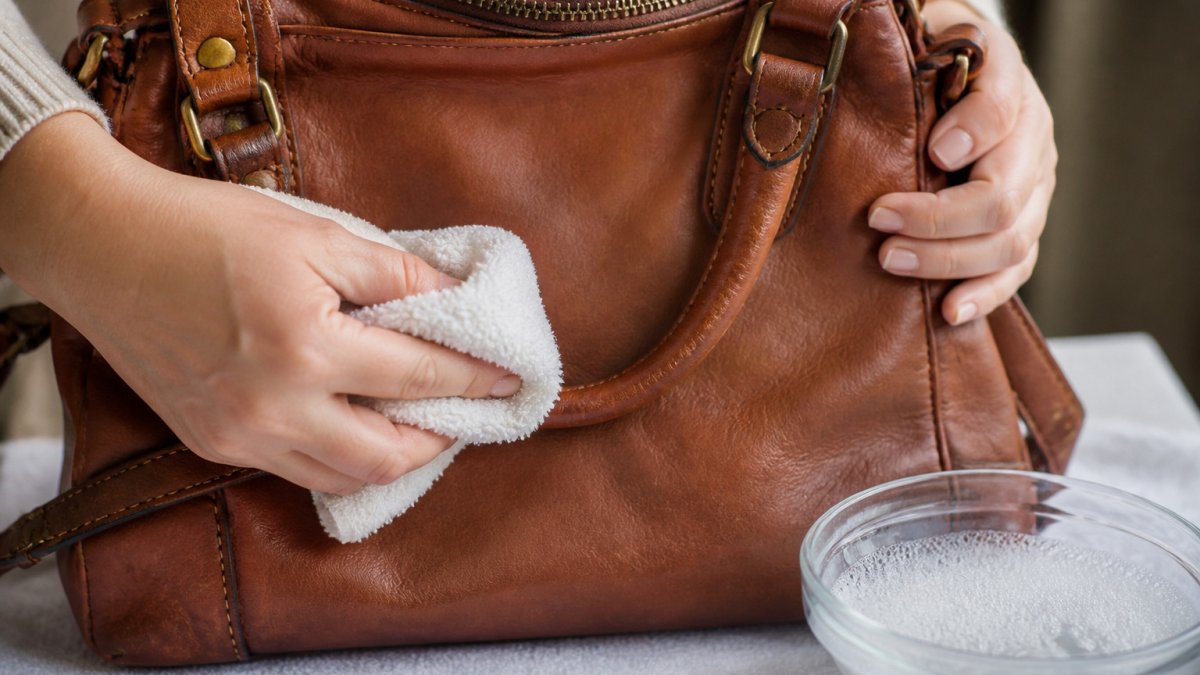
Apply cleaner and wipe gently
Louis Vuitton Alma PM Epi Leather Bag – Red, 1996 Vintage →
How to Remove Stains from Leather
Treat sticky residue and common stains
Address odors safely
How to Condition Vintage Leather After Cleaning
Why conditioning matters for aged leather
Choosing the right conditioner and application
You can browse leather conditioning products to find options for your vintage piece.
When to Stop and Seek Professional Care
You can see an example of a valuable vintage leather piece.

At Gilded Carry, we believe beautiful leather pieces deserve thoughtful care that honors their history and extends their life for years to come.
| Step | Time Required | Frequency |
|---|---|---|
Frequently Asked Questions
How do you clean vintage leather without damaging it?
Clean vintage leather by assessing its type and finish first, then removing surface dust with a soft cloth. Use a mild soap and water solution, test it on a hidden area, and apply with gentle pressure using a soft sponge or cotton cloth. Avoid harsh rubbing, excessive water, and over-conditioning. Dry slowly away from heat. If the leather shows deep cracks, discoloration, or severe stains, professional conservation is safer than home cleaning.
Can I use dish soap to clean a vintage leather handbag?
Dish soap like Dawn is too harsh for vintage leather and can strip natural oils, causing the material to dry out and crack. Instead, use a mild leather cleaner or a mixture of gentle saddle soap with water. Test any solution on a hidden area first. For vintage designer handbags like those at Gilded Carry, a gentle approach protects the craftsmanship and extends the bag's lifespan.
How do you condition old leather after cleaning?
After cleaning and drying your vintage leather completely, apply a leather conditioner like mink oil, leather cream, or dubbin sparingly with a soft cloth, using circular motions. Work in small areas and buff away excess to avoid darkening or creating a sticky residue. Over-conditioning can damage unsealed or aged leather, so use restraint, condition only when the leather feels dry or stiff. Store the piece in a cool, dry place after conditioning.
What should I do if vintage leather has sticky residue or stains?
For sticky residue, dab gently with a soft cloth slightly dampened with rubbing alcohol or water, then dry immediately. For specific stains, dab (don't rub) with a cotton ball moistened in rubbing alcohol for ink or pen marks, or hydrogen peroxide for light stains on light-colored leather. Always test on a hidden area first. If stains persist or the leather shows deep discoloration, stop and consult a professional conservator to avoid irreversible damage.
