


Quick Summary
Curated luxury goods are high-end pieces a specialist has selected, inspected, and presented as a deliberate edit, chosen for craftsmanship, condition, and provenance. Buyers choose them for established craftsmanship at a lower entry point than new retail, plus documented authenticity and a clear history.
- A curated edit is filtered by an expert, who can explain why each piece made the cut.
- The pieces in a curated edit should work together, sharing materials, proportions, or use cases.
- Ask the seller about materials, construction, wear, and included accessories before you buy.
- Confirm that the authentication certificate references the specific item's serial or date code.
- A price far below market for the same model and condition is a warning sign, not a bargain.
Table of Contents
- What Curated Luxury Goods Mean
- Why Buyers Choose Pre-Loved Designer Pieces
- How to Authenticate Pre-Loved Designer Handbags
- Choosing Your First Designer Bag From a Curated Edit
- Frequently Asked Questions
Why Buy Curated Luxury Goods? How to Choose Them With Confidence
Last Updated: November 19, 2026
What Curated Luxury Goods Mean
Curated luxury goods are high-end pieces a specialist has selected, inspected, and presented as a deliberate edit rather than a random marketplace listing, chosen for craftsmanship, condition, provenance, and fit with the rest of the edit.
Curation is not the same as buying expensive or branded goods. Four tests separate a curated edit from a general luxury purchase:
- Selection. An expert has filtered a large pool to a small set and can explain why each piece made the cut.
- Coherence. The pieces work together, sharing materials, proportions, or use cases instead of competing for the same role.
- Provenance. The seller can trace where the piece came from, how it was authenticated, and its condition, with details rather than adjectives.
- Personal relevance. The edit matches a real lifestyle, so the buyer will actually carry the piece.
To judge whether a piece is genuinely curated, ask what the seller can tell you. A curated listing answers questions about materials, construction, wear, and included accessories before you ask; a general listing answers only what is convenient.
Watch out: a seller who uses "curated" but cannot describe condition, provenance, or why the piece was selected is using the term as marketing, not a selection standard.
Why Buyers Choose Pre-Loved Designer Pieces
Pre-loved designer pieces give buyers access to established craftsmanship at a lower entry point, letting a shopper own a classic design without paying full new-retail price.
Longevity is the other argument.
How to Authenticate Pre-Loved Designer Handbags
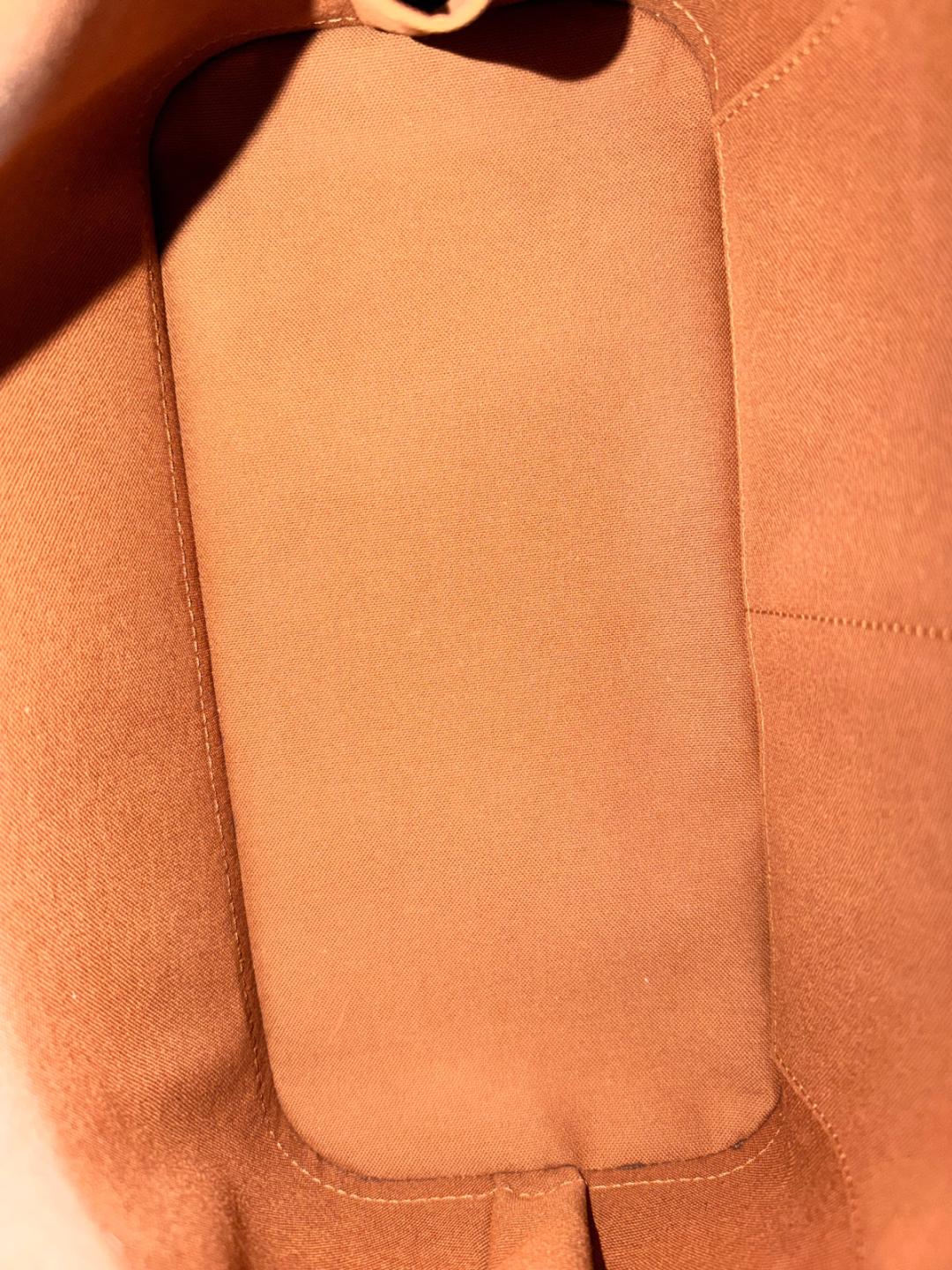
Authentication is the first thing to check before buying any pre-loved designer handbag, and it is more than a certificate.
1. Confirm the verification record. Look for an authenticity certificate or third-party authentication record, then check that the serial or date code matches the details in the record. A certificate that does not reference the specific item is worth little.
2. Compare construction details. Authentic pieces show consistent stitching density, even hardware engraving, correct font and spacing on stamps, and era-appropriate lining. Ask for close, well-lit photos of the hardware, stitching, interior label, and zipper pulls, and compare them against known examples of the same model and year.
3. Trace the provenance. Provenance is the documented history of the piece: where it was sourced, whether it came with a dust bag, box, or receipt, and how it reached the seller. A clear trail does not guarantee authenticity, but a missing or contradictory one is a reason to slow down.
4. Grade the condition against the photos. Read every condition note, such as rubbing on corners, creasing in the leather, or wear on the hardware, and compare it against what the photos show. Grading should be specific and consistent, not a vague "good condition."
5. Check the total cost of ownership. Factor in likely maintenance, repair, and resale. A well-made leather bag that holds up for years often costs less per wear than a cheaper trend piece worn twice, and a strong resale record protects more of the original outlay.
Watch out: a price far below the market for the same model and condition is a warning sign, not a bargain (Anti-Counterfeiting Video Contest).
Choosing Your First Designer Bag From a Curated Edit
A first designer bag should suit how you actually spend your days. Start with a shape you will reach for often, such as a structured tote or a compact crossbody, and check the measurements against what you carry.
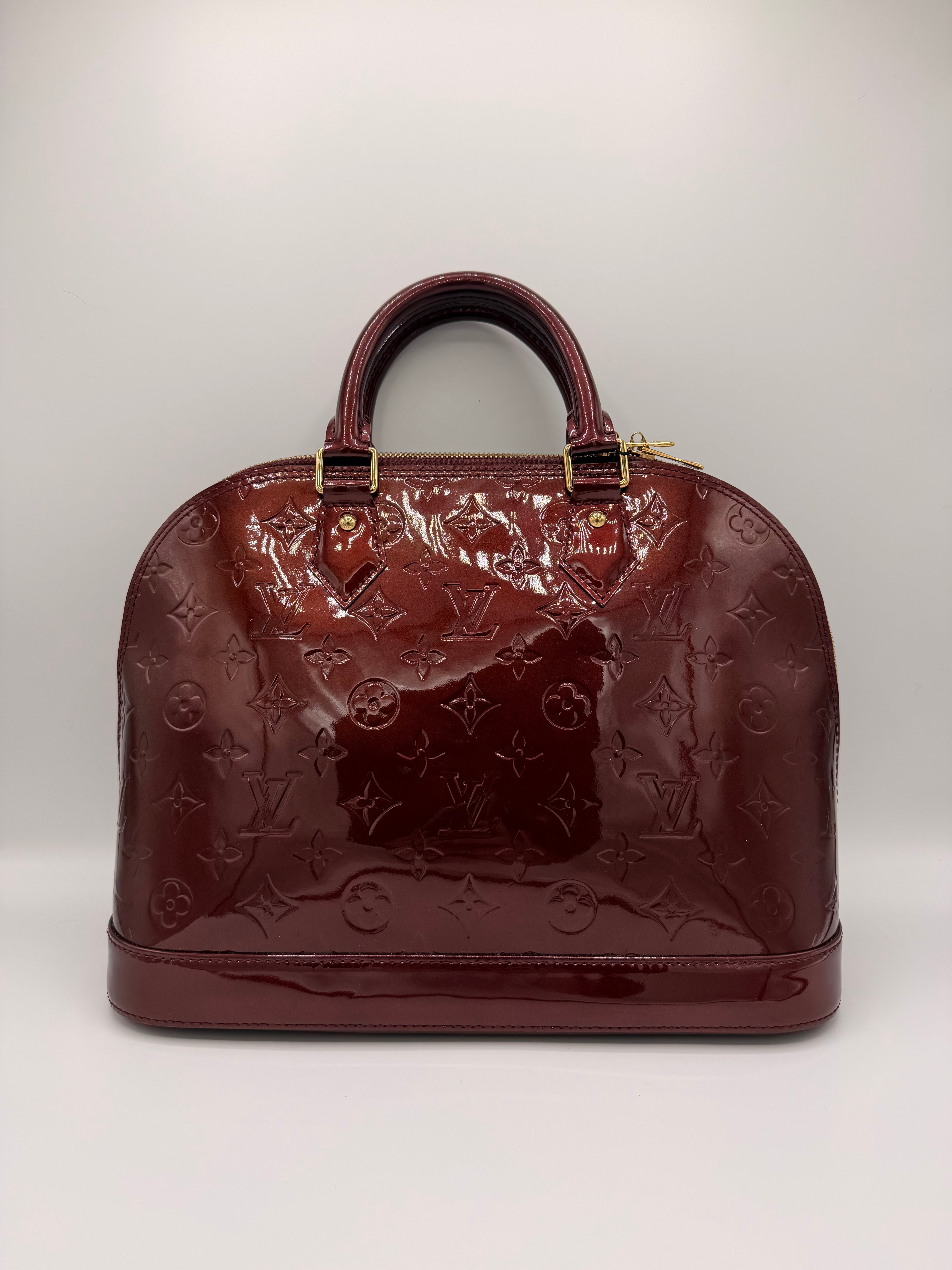
For example, the Chanel Medallion Tote in black caviar leather, priced at $2,499.99, is a classic everyday silhouette with a dust bag and authenticity certificate included. The Louis Vuitton Monogram Vernis Alma [PM] in Amarante, priced at $1,045.00, offers a standout burgundy finish in a structured shape.
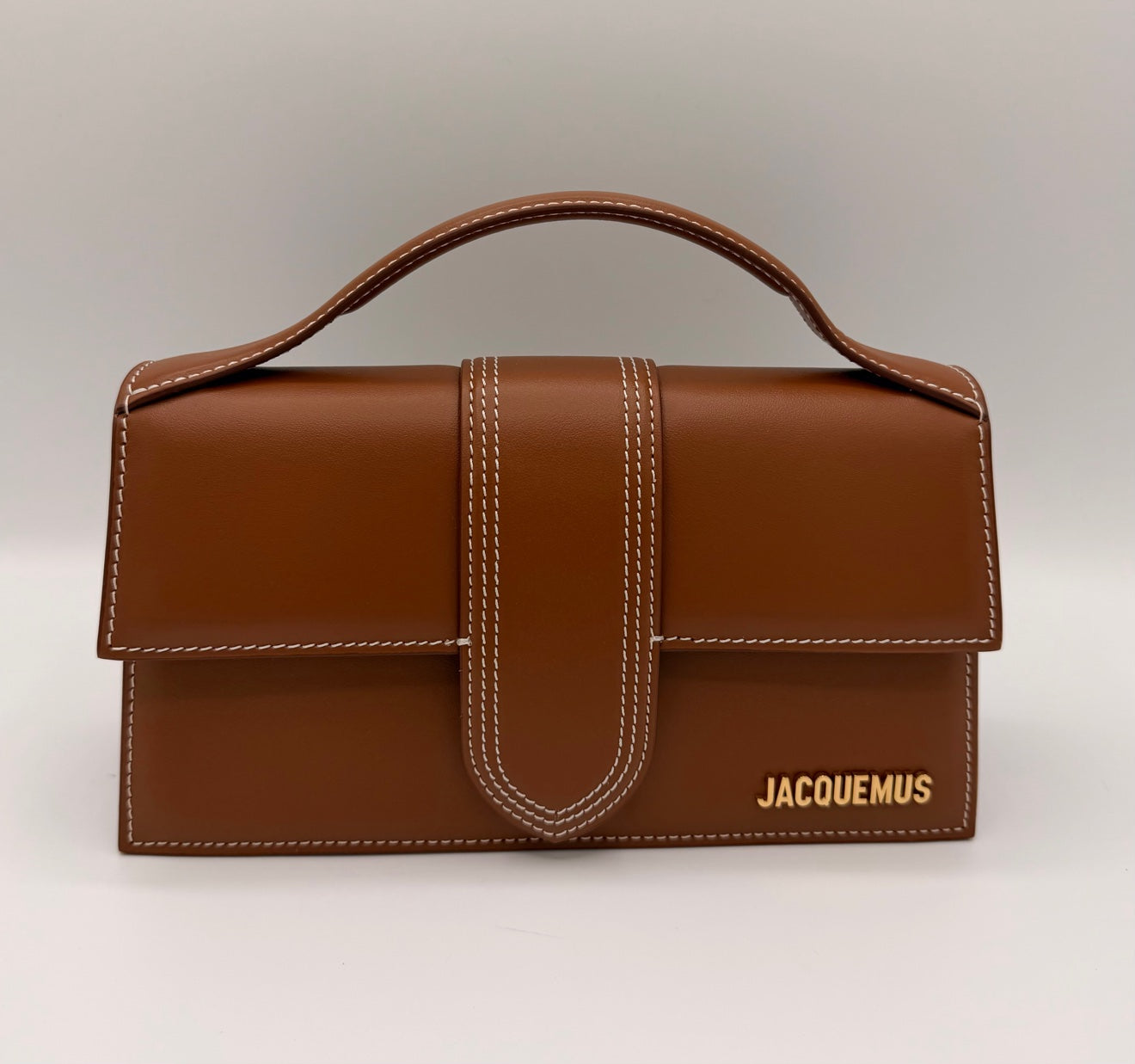
For a lower entry point, the Jacquemus Le Grand Bambino in light brown leather, priced at $799.99, is brand new with its full set.
If you are weighing a few options, you can compare affordable alternatives first: compare affordable designer handbag alternatives. For measurement checks on a pre-loved bag, see confirm vintage handbag measurements before you buy. When you are ready to choose a starter piece, explore our guide to the best first designer bag, or browse the authenticated Louis Vuitton Monogram Vernis Alma as a concrete example of a curated listing.
Find your next piece with Gilded Carry. Browse our curated edit of pre-loved designer handbags and accessories, each presented with clear condition details so you can shop with confidence.
Frequently Asked Questions
Why do people buy luxury goods?
People buy luxury goods for several overlapping reasons. Others buy for status, identity, and self-expression. Many buyers weigh these motivations together, looking for a piece that lasts, reflects their style, and feels worth the price.
How can you tell if a pre-loved designer bag is authentic?
Start by checking whether the seller provides an authentication certificate and identifies the item clearly. Look at the stitching, hardware, date codes or serial stickers, and the logo placement, and compare them against the brand's known details. Review every photo closely, and ask for close-ups of the interior and hardware if they are missing.
What should you check before buying a pre-loved luxury handbag?
Review the condition description and all photos, paying attention to corner rubbing, creasing, hardware wear, and interior marks. Confirm which accessories are included, such as a dust bag or authenticity card, and check the measurements against how you plan to carry it. Ask about the return policy before you order, so you know your options if the bag does not match its listing.
