


Last Updated: November 2, 2026
Quick Summary
A pre-loved designer bag is a previously owned handbag graded by how much it has been used, worn, and cared for. Condition is the biggest factor in whether its price is fair. Because sellers grade differently, buyers should check the written notes and photos of the corners, handles, hardware, and interior.
- Condition grades are shorthand, and sellers do not apply labels like "Very Good" the same way.
- Inspect each component in a fixed order: exterior, corners, handles, stitching, hardware, lining, odor, and structure.
- Request photos of the base, both corners, interior bottom, strap attachments, and zipper pull before buying.
- Classify each flaw as cosmetic, structural, or functional, since the type determines how much repair affects price.
- Test any cleaner on a small hidden area first, and avoid soaking leather or canvas.
Table of Contents
- What Pre-Loved Designer Bag Condition Really Means
- Designer Bag Condition Ratings Compared Side by Side
- Pre-Owned Designer Handbag Buying Guide: Inspection Checklist by Component
- Reading Product Photos and Condition Descriptions
- Luxury Bag Wear and Tear: Normal Patina Versus Serious Damage
- How Condition Affects Resale Value and Price
- How to Clean Pre-Loved Bags Safely
- Pros and Cons of Buying a Pre-Loved Designer Bag
- Choosing Your Next Gilded Carry Find
- Frequently Asked Questions
What Pre-Loved Designer Bag Condition Really Means
Pre-loved designer bag condition describes how much a previously owned handbag has been used, worn, and cared for, and it is the single biggest factor in whether the price is fair. At Gilded Carry, we see the same question from almost every first-time buyer: what does "very good" actually look like on a real bag? That gap between the label and the reality is where most buyers get caught out.
Condition is a shorthand, not a guarantee. A bag graded "excellent" should show minimal wear, but no two sellers apply that word the same way. Understanding the terms before you shop lets you compare listings with confidence and spot the difference between a bag that has been loved and one that has been damaged. You can also learn how to find rare vintage designer bags worth collecting.
Pre-loved designer bag buyers tend to focus on three questions: how the exterior looks, whether the interior is clean, and whether the hardware and structure still work. Those three areas drive most of the value a bag holds. Treat the grade as the starting point, then check the details yourself in the photos and description.
Expect the vocabulary to vary from one resale platform to the next. Terms like pre-owned, pre-loved, and vintage often describe very different levels of use, so the word alone tells you little. The useful information sits in the written condition notes.
Designer Bag Condition Ratings Compared Side by Side
Most resale sellers use a graded scale, but the number of steps and the wording differ. Resale sellers often use graded scales with different numbers of steps and different wording, so a "Very Good" at one shop may sit closer to what another calls "Good." The grade is a marketing shorthand, not a standardized rating, and sellers are not required to define it the same way.
The table below gives a practical comparison of common condition tiers. Use it as a guide to what each tier usually signals, then confirm against the specific listing.
| Condition Tier | Typical Wear | Best For | What to Check |
|---|---|---|---|
| Giftable / New | Unused or near-unused | Buyers who want no wear | Tags, dust bags, original packaging |
| Excellent | Minimal, barely visible | Collectors and gifts | Corners, handles, interior |
| Very Good | Light wear, minor marks | Everyday carry | Hardware scratches, edge wear |
| Good | Visible wear, some patina | Budget-conscious buyers | Stains, stitching, shape |
| Fair | Significant wear | Restoration projects | Structure, odor, hardware function |
| Flawed | Damage or defects | Parts or repair | Full disclosure of defects |
How to Translate Grades Between Sellers
Because labels are not standardized, the reliable move is to translate every listing into a common three-question framework before you compare prices. Ask: (1) Is the wear cosmetic or structural? (2) Is the flaw disclosed with a specific photo? (3) Is the flaw repairable, and at what likely cost? A bag labeled "Good" with a disclosed corner scuff and clear photos is often a safer buy than an "Excellent" listing with no interior shots.
A common pattern among experienced buyers is to map each seller's scale onto a simple four-band model: unused, light wear, moderate wear, and heavy wear or damage. When a seller's "Very Good" includes visible handle darkening, treat it as moderate wear in your own model regardless of the label. When a seller's "Fair" discloses only cosmetic scuffs, treat it as light-to-moderate wear. This keeps you from paying an "Excellent" premium for a "Good" bag.
Watch out: some sellers grade the exterior only and note interior wear separately, so a high exterior grade can hide a stained lining. Always read the interior and hardware notes before you accept the headline grade.
Why Seller Grading Scales Do Not Line Up
Each resale business builds its own grading system, usually tailored to its inspection process and brand promise. There is no single industry standard that every seller follows, which is why the same word can mean different things across shops. Some scales are built around cosmetic appearance, others around functionality, and a few blend both without saying so.
A practical way to handle this is to read each seller's definitions before you compare prices. Look for a grading guide on the site, then match the seller's language to the photos and written notes. When a listing is vague, assume the more conservative reading and ask for more images. Save the seller's grading page or screenshot the definitions so you can refer back if a dispute arises after delivery.
If a seller will not define its grades or provide additional photos, treat that as a risk signal rather than a neutral omission. Reputable sellers tend to publish definitions and respond to specific photo requests, and that responsiveness can be a useful signal when judging a listing.
Pre-Owned Designer Handbag Buying Guide: Inspection Checklist by Component
A bag is a collection of parts, and each part wears differently. Inspecting by component keeps you from being distracted by one clean panel while missing a worn strap or a sagging structure. Work in a fixed order so you do not skip a zone: exterior panels, corners and edges, handles and straps, stitching, hardware and zippers, interior lining, odor, and overall structure. Note each finding as cosmetic, structural, or functional before you decide.
Leather, Canvas and Coated Canvas Checks
Leather tends to show wear through softening at the corners, darkening along the handles, and cracking in high-flex areas. Look for rubbing where the strap meets the body, since that friction builds quickly over time. Gentle patina is normal on well-used leather, but deep creasing or drying that reaches the surface is a more serious problem. Surface scuffs can often be improved with conditioning; cracks that reach the grain usually cannot be reversed and signal a bag that needs professional restoration or should be priced accordingly.
Coated canvas, such as monogram or damier patterns, can show color transfer, cracked coating along folds, and fading near the top edge. Check the base and bottom corners closely, because they take the most abrasion. Ask for a photo of the base if the listing does not include one. Coating cracks along fold lines are a permanence issue, while surface color transfer is often cosmetic and may lift with careful cleaning.
Corners, Edges and Handles
Corners are the first place abrasion shows. Look for rubbed leather, exposed piping, and coating loss at the bottom corners. Edge wear on the piping is common and often cosmetic, but piping that has worn through to the seam is structural and can worsen with use. Handles show darkening from hand oils, cracking at the bend, and glazing wear along the edges. Glazing wear is usually cosmetic; handle cracking at the attachment points is a repair risk because the strap bears load there.
Hardware, Zippers and Stitching
Test every zipper, clasp, and closure. A zipper that snags, sticks, or separates is a repair cost you should factor into the price. Inspect hardware for tarnish, scratches, and finish loss, which are common on gold-tone and silver-tone pieces. Tarnish and light scratches are cosmetic; a broken clasp, a missing foot, or a zipper that will not stay closed is functional damage that affects usability.
Look at the stitching around handles and straps. Loose, frayed, or missing thread at stress points is an early warning sign that the bag may need professional repair. Check that the feet and corners are intact, since replacing them can be expensive. Ask for close-up photos of the strap attachments and the zipper pull, because those are the highest-stress points and the most commonly omitted shots.
Interior, Odor and Structure
Turn the bag inside out or ask for photos of the lining. Look for stains, pen marks, tears at the seams, and peeling lining, which is common on older coated or synthetic linings and is difficult to repair cleanly. Odor is a separate check: musty or smoky smells can indicate moisture damage or mold, and odor is one of the hardest flaws to remediate. Structural sagging, a collapsed base, or a bag that will not stand on its own signals lost shape that may need professional reshaping.
Severity and Repairability at a Glance
Use a simple three-tier read on every flaw. Cosmetic flaws, such as surface scuffs, light tarnish, and minor color transfer, are livable and often reflected in a modest discount. Structural flaws, such as worn-through piping, a torn lining seam, or lost shape, usually need a professional and should be priced with that cost in mind. Functional flaws, such as a broken clasp or a failing zipper, affect daily use and are the strongest reason to negotiate or walk away. When a listing discloses a flaw, ask directly whether it is cosmetic, structural, or functional, and request a photo that shows its full extent.
Watch out: a single flattering photo can hide corner wear, interior stains, and hardware tarnish at once. Request photos of the base, both corners, the interior bottom, the strap attachments, and the zipper pull before you commit, and confirm the seller's return window in case the bag does not match the description.
Reading Product Photos and Condition Descriptions
Photos and descriptions are your main tools when you cannot inspect a bag in person. Look at the images for the areas that wear fastest: corners, handles, base, zipper pulls, and the interior bottom. A good seller will show these areas clearly, not just the front of the bag in good light.
Louis Vuitton Monogram Alma PM | 2015 →
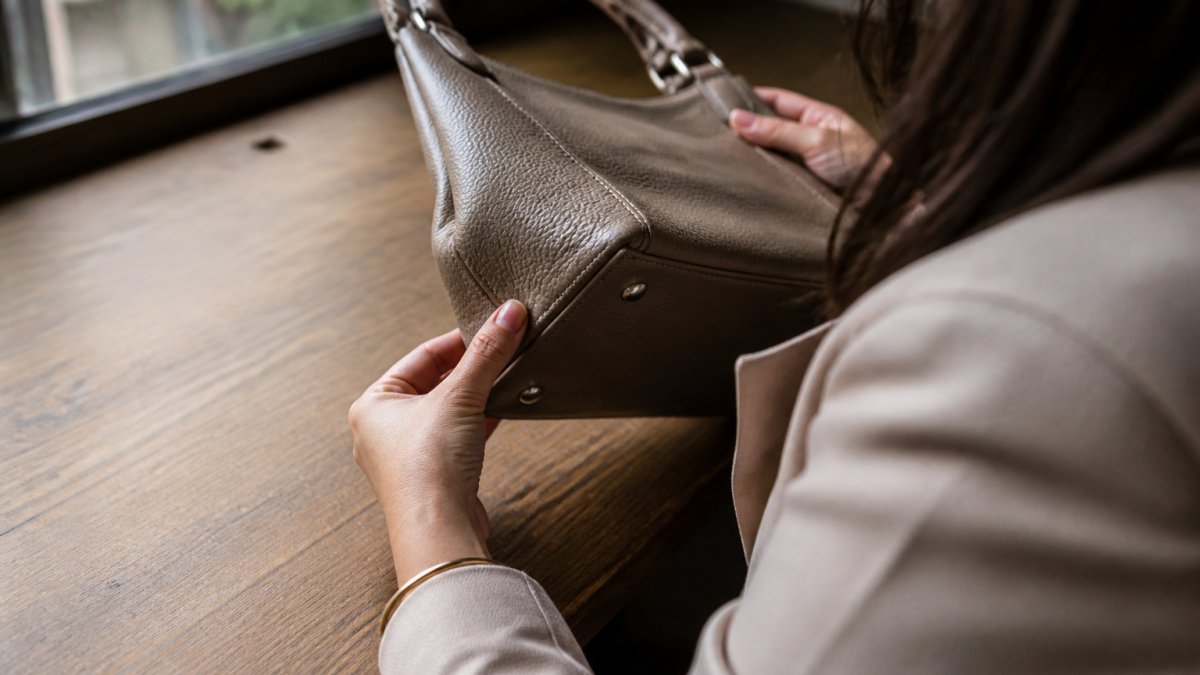
Read the written condition notes with care. Phrases that name specific flaws, such as "light scratches on the zipper pulls" or "slight edge wear on the handles," are more useful than general terms like "good condition." If a description says photos show the exact bag, check that the images include the features you care about most.
When something is missing, ask. Requesting extra photos or measurements is normal, and reputable sellers will respond. Keep your questions specific so you get the information that actually changes your decision.
Luxury Bag Wear and Tear: Normal Patina Versus Serious Damage
Not all wear is a problem. Patina, the soft change in color and texture that develops on leather over time, is often part of a bag's character and can add to its appeal. Light rubbing on edges and gentle softening of the leather usually fall into this category.
Serious damage is different. Cracking that reaches the surface, deep stains, tears in the lining, broken hardware, and structural sagging are issues that affect both function and value. Odor is another warning sign, especially if it suggests moisture damage or mold.
A useful test is permanence and repairability. Surface scuffs can sometimes be improved, while a torn lining or a broken clasp usually requires a skilled repair. Asking yourself whether a flaw can be fixed, and at what cost, helps you judge whether a discounted price is genuinely good value.
How Condition Affects Resale Value and Price
Condition is one of the largest drivers of a pre-loved bag's price. Bags in higher grades generally command higher prices because they look closer to new and carry less risk of hidden problems. Bags in lower grades cost less but may need repair or cleaning before you can use them comfortably.
Price should reflect condition and the cost of any needed work. A lower price can be a good deal when the flaw is cosmetic and easy to live with, but it can be expensive if the bag needs professional restoration. Factor in the likely cost of cleaning, repair, or hardware replacement before you decide.
The same principle applies when you resell. A well-maintained bag with clear documentation of its condition tends to hold value better than one with unexplained wear. Keeping your original receipts, dust bags, and authentication paperwork helps protect that value.
How to Clean Pre-Loved Bags Safely
Cleaning can restore a bag's appearance, but the wrong product can cause permanent damage. Always start by testing any cleaner on a small, hidden area, such as the inside of a strap or the base, and let it dry fully before you judge the result. For a detailed step-by-step cleaning method to follow, see our guide.
For leather, begin with a dry, soft cloth to remove surface dust. Use a leather-specific cleaner sparingly, then follow with a conditioner suited to the leather type. For coated canvas, a barely damp cloth with a mild, pH-neutral solution is usually enough, and you should avoid soaking the material.
Hardware can often be cleaned with a soft, dry cloth. Avoid abrasive pads and harsh chemicals, which can strip the finish. If you are unsure about a stain or a delicate material, a professional cleaner or restorer is a safer choice than experimenting on an expensive piece.
What to Avoid When Cleaning Leather and Canvas
Do not saturate leather or canvas with water, since moisture can cause staining, warping, or mildew. Avoid household cleaners, bleach, and alcohol-based products, which can discolor the finish. Skip heavy scrubbing, which can lift coating from canvas and wear away the leather surface.
Also avoid over-conditioning. Too much product can darken leather or leave a greasy residue that attracts dirt. A light, even application is almost always better than a heavy one.
Pros and Cons of Buying a Pre-Loved Designer Bag
Buying pre-loved offers real advantages. The price is typically lower than retail for the same style, which can make a luxury piece accessible. Choosing a pre-owned bag also extends the life of an existing item, which many buyers value for sustainability reasons. Discontinued and vintage styles are often easier to find in resale than new.
There are trade-offs to keep in mind. Condition varies, and grading systems differ, so the description may not match your expectations. Returns can be more restrictive than with retail purchases, and shipping costs can add up. Some pieces may need cleaning or repair, which adds to the total cost.
Weigh these factors against your priorities. If you want a near-perfect bag and plan to use it daily, a higher grade may justify the price. If you are comfortable with visible wear and want to save money, a lower grade can be a smart choice.
Choosing Your Next Gilded Carry Find
Choosing a pre-loved designer bag comes down to matching the condition, style, and price to how you plan to use it. At Gilded Carry, listings include condition notes and photos so you can judge the details for yourself, and you can message us for extra images before you buy. Our current selection includes classic styles such as the Louis Vuitton Monogram Alma PM 2015 at $1,250.00, the Louis Vuitton Damier Ebene Trevi PM at $1,250.00, and the Louis Vuitton Alma PM Epi Leather Bag in red from 1996 at $750.00. Review the condition notes and photos on each listing to find the one that fits your style and your budget.
Frequently Asked Questions
How do you clean pre-loved bags?
Start by emptying the bag and brushing off loose dirt with a soft dry cloth or brush. For coated canvas, wipe gently with a barely damp microfiber cloth and mild soap, then air dry away from heat. For leather, use a leather-specific cleaner sparingly and test it on a hidden area first. Avoid soaking the bag, using bleach, or scrubbing hard, since these can strip finishes and cause permanent marks. If stains or odor persist, a professional leather spa is the safer option, and it is worth asking for a quote before sending a valuable piece.
What does “pre-loved designer bag” mean?
A pre-loved designer bag is a luxury handbag that has already been owned and used, then resold through a secondhand seller. The term is used widely by resale platforms to describe items that range from nearly new to heavily worn. Because the wording is broad, it does not tell you the actual condition on its own. Always look for a specific condition grade, a description of visible flaws, and clear photos of the exterior, interior, hardware and corners before you decide.
How do you assess the condition of a pre-loved designer bag?
Check the exterior for scratches, scuffs, color transfer and corner wear, then inspect the handles, straps and edge piping for cracking or flattening. Look inside for stains, odor, lining damage and ink marks. Examine the hardware for tarnish, scratches and loose screws, test the zipper and closures, and confirm the bag holds its shape when empty. Compare every area against the seller's photos and written description, and ask for additional close-ups of anything unclear.
What should you check when buying a pre-owned designer handbag?
Confirm the seller's condition scale and read its definitions, since grades such as Excellent or Very Good are not standardized across platforms. Review the full photo set, including interior and hardware shots, and ask about any flaw not mentioned. Check whether the listing includes an authentication certificate, date code or serial information, the included accessories such as dust bags or locks, and the return policy, including who pays return shipping if the bag does not match its description.
What do condition ratings like A, AB, and B mean for designer bags?
Letter-based ratings are used by many resale sellers, but the letters have no universal meaning. Generally, a top grade indicates minimal visible wear, while lower grades signal more noticeable scuffs, color change, hardware wear or structural softening. Some sellers add plus or minus modifiers or descriptive labels. Because these scales differ, compare each seller's written definitions for the grade you are considering, and rely on the detailed description and photos rather than the letter alone.
How can you tell whether wear on a designer bag is normal or serious?
Normal wear includes soft patina on handles, light corner rubbing and gentle softening of the leather, which often adds character. Serious damage includes cracking or peeling coating, deep scratches through the finish, torn stitching, broken hardware, odor that does not fade, and warping that makes the bag lose its shape. Surface wear can often be cleaned or conditioned, while structural or material damage is usually permanent and affects both use and resale value.
How often should leather bags be conditioned?
Most leather handbags benefit from conditioning about two to four times a year, or when the leather looks dry, dull or stiff. Bags used daily or exposed to rain and sun may need more frequent care. Before applying any product, spot-test it on an inconspicuous area, and apply only a thin layer with a soft cloth. Over-conditioning can darken the leather or leave residue, so less is usually better, especially on vintage pieces with delicate finishes.
